Released in 2011, the GH2 looked from the outside to be very similar to the GH1 it was replacing. Effectively the same body, with a few controls moved about, there wasn't much to differentiate them externally. Internally, however, it was a completely different beast. Gone was the 12.1 megapixel of the original, now replaced with a multi-aspect 18.3 megapixel sensor giving 16 million effective pixels.

Not only was the sensor higher resolution, but it handled noise much better as the ISO crept up. The GH1 had a tendency to band quite heavily, while the GH2's output was much more similar to film grain - a more pleasing noise if you will.
In addition, Panasonic implemented a faster sensor readout, resulting in faster auto-focus performance and a better refresh of the electronic viewfinder (which was also slightly larger).
I bought the in October 2012 as a replacement for the GH1. The GH1 had performed well in a variety of situation - travel, family, and airshows being the main uses. Airshows had taxed it somewhat, and it was more through luck than skill that I achieved any good shots from them.
The GH2 was much more successful at capturing aeroplanes, in part due to the improved auto-focus (albeit I still didn't use continuous auto-focus), and in part thanks to lessons learnt from prior shoots. So my tracking was better, and shutterspeed was appropriate for the subjects.
The GH2 seemed to go with me everywhere. Another purchase I made around the same time as picking up the GH2 was the Thinktank Retrospective 5 camera bag. This made actually carrying the camera and a host of lenses an easier proposition when traveling, and really energised my photography. I no longer had to stop to swap lenses, grab filters, or put a new battery in. It was all there to hand. I found the fusion of the camera and the bag to be instrumental in my improvement as a photographer.
Ultimately, for a long time I found the GH2 to be my perfect camera. I didn't have to think when using it, I knew exactly where all the controls were and could just shoot with wanton abandon. It improved on the GH1 by being a faster, smoother camera in all operations, and I think it felt more of an extension of my photographic intent than the tool it actually was. Simply a brilliant camera.
Back to Best of the bodies.

Panasonic Lumix GH2
October 2012 to August 2014
~10000 shots
October 2012 to August 2014
~10000 shots
Not only was the sensor higher resolution, but it handled noise much better as the ISO crept up. The GH1 had a tendency to band quite heavily, while the GH2's output was much more similar to film grain - a more pleasing noise if you will.
In addition, Panasonic implemented a faster sensor readout, resulting in faster auto-focus performance and a better refresh of the electronic viewfinder (which was also slightly larger).
I bought the in October 2012 as a replacement for the GH1. The GH1 had performed well in a variety of situation - travel, family, and airshows being the main uses. Airshows had taxed it somewhat, and it was more through luck than skill that I achieved any good shots from them.
The GH2 was much more successful at capturing aeroplanes, in part due to the improved auto-focus (albeit I still didn't use continuous auto-focus), and in part thanks to lessons learnt from prior shoots. So my tracking was better, and shutterspeed was appropriate for the subjects.
The GH2 seemed to go with me everywhere. Another purchase I made around the same time as picking up the GH2 was the Thinktank Retrospective 5 camera bag. This made actually carrying the camera and a host of lenses an easier proposition when traveling, and really energised my photography. I no longer had to stop to swap lenses, grab filters, or put a new battery in. It was all there to hand. I found the fusion of the camera and the bag to be instrumental in my improvement as a photographer.
Ultimately, for a long time I found the GH2 to be my perfect camera. I didn't have to think when using it, I knew exactly where all the controls were and could just shoot with wanton abandon. It improved on the GH1 by being a faster, smoother camera in all operations, and I think it felt more of an extension of my photographic intent than the tool it actually was. Simply a brilliant camera.
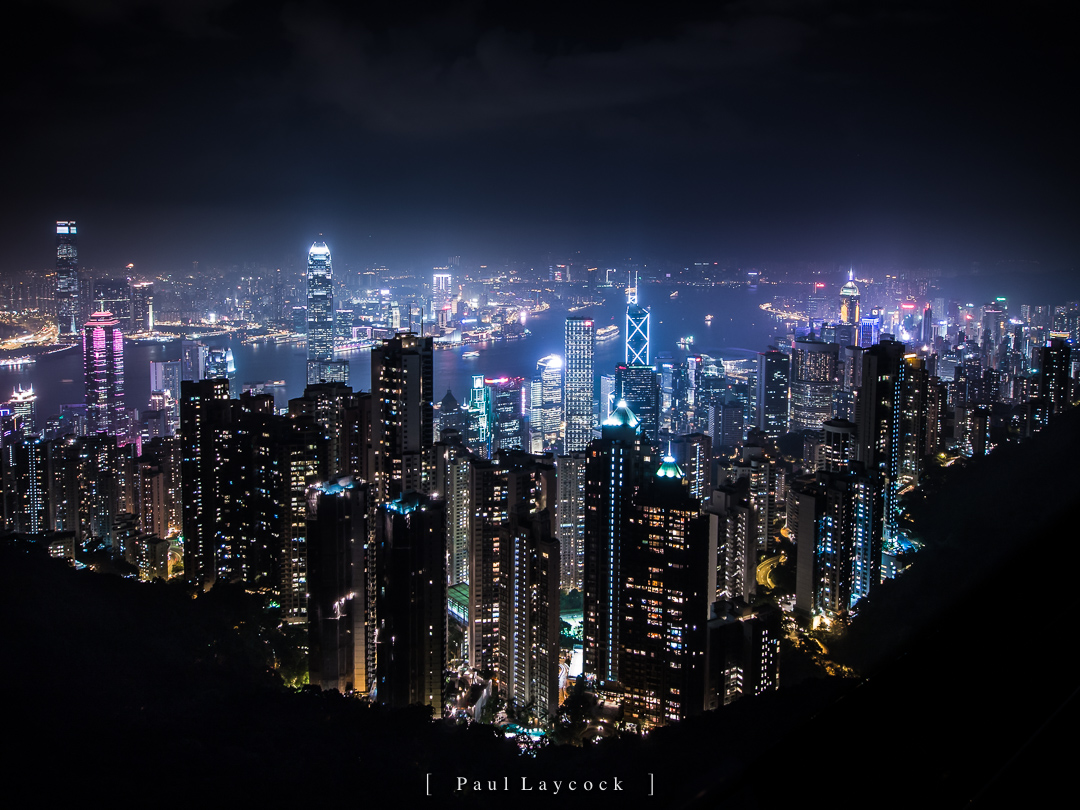
| Hong Kong | Petworth House |
 |
 |
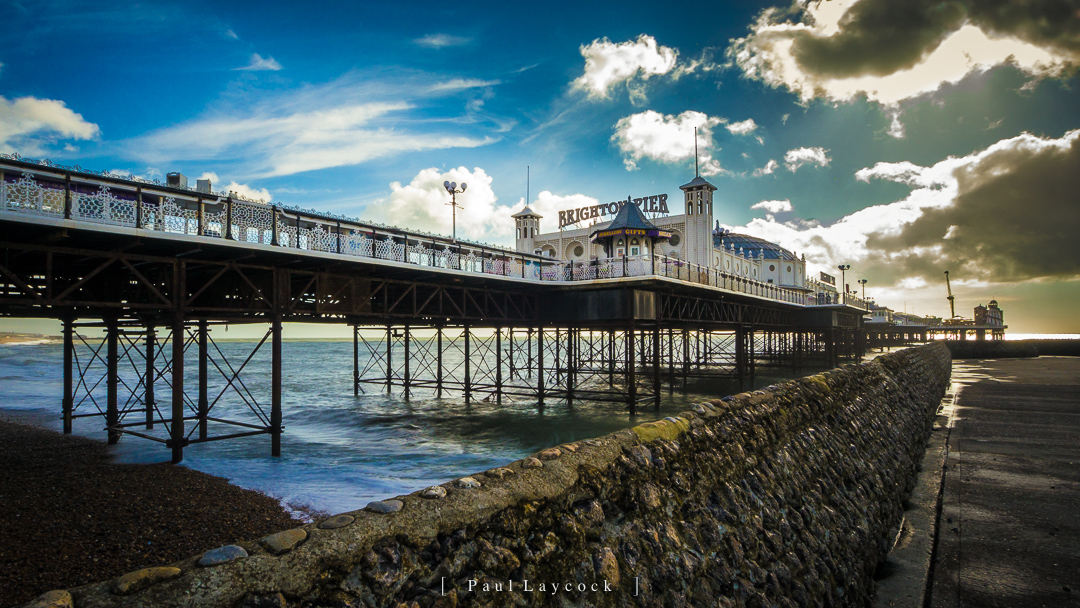
| Brighton | London |
 |
 |
| Copenhagen | Shoreham |
 |
 |
| Chatham | Sheffield Park |
 |
 |
| Brighton | Brighton |
 |
 |
Back to Best of the bodies.
Comments
Post a Comment